
Wildlife Habitat
Conifer Encroachment and Wildlife
Conifer Encroachment (example: trees growing where they did not used to be) is one of, if not the biggest, habitat conservation issues of our time.
It effects forage, cover, and most of all, WATER.
Conifer Encroachment water usage can account for more than 500,000 gallons an acre each year. That is a lot of water that used to go to springs and seeps, that is evaporating into thin air, literally. If you have a spring or well that dried up ask yourself this, “were those trees always there?”
It also directly impacts forage for cattle, elk, and deer in large way. With some acres loosing 80% or more of forage.
For upland birds, it often means that the tall grass that used to give them cover, is no effective because predators are lurking in the encroaching trees above. For elk and mule deer, it over densifies their natural cover making it unusable.
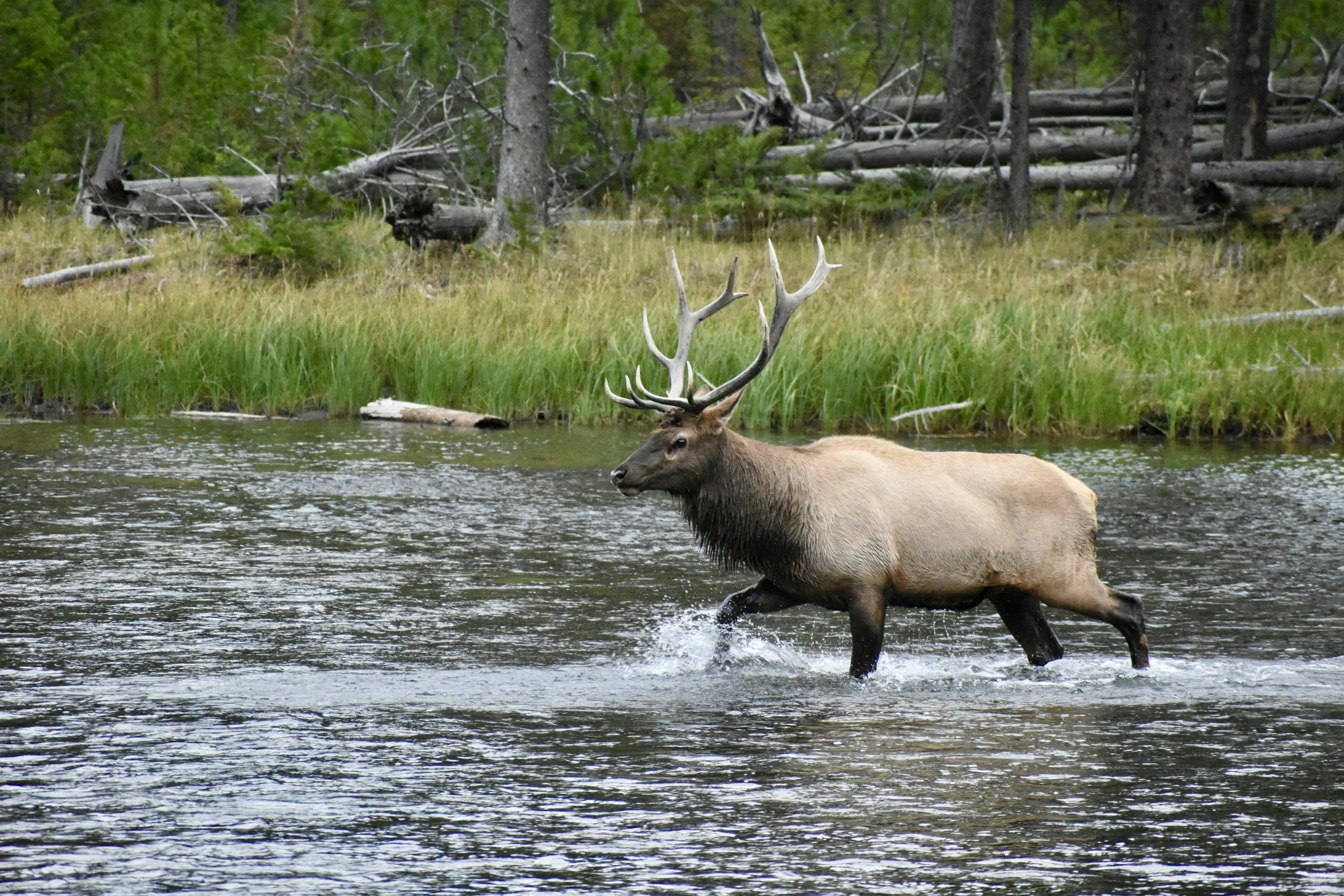
Elk
Elk habitat is relatively simple to understand. 60/40 Feed to cover. Cover should conceal 80% of their body at 100 yards. Elk eat about the same amount as cattle pound for pound.
Their food sources align similarly with cattle, except for focusing more on woody shrubs, like willow, service berry and aspen trees. Your property will yield higher returns if you focus on returning these native species to your Elk ranch, rather than trying to add or maintain cover.
That being said, the plant species just listed often get pushed out or overgrown by conifer, and often conifer can become so over densified that Elk can no longer use it for cover, as they cannot move through it. These situations often get mistaken as good cover for the Elk, but in reality losing your aspen stands and riparian brush is a huge loss to an elks overall health.
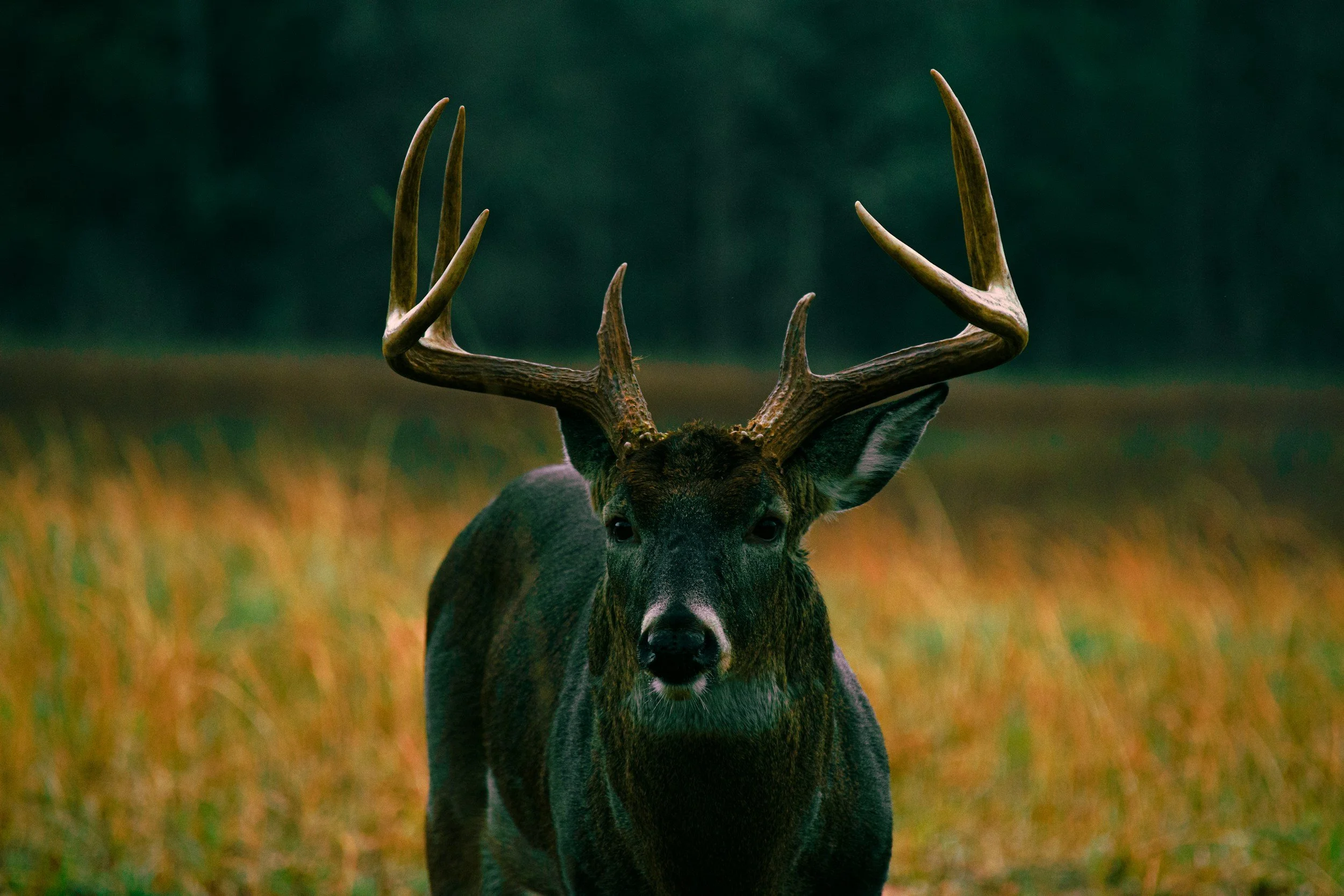
Whitetail Deer
There are plenty of sites out there referencing Whitetail deer habitat.
Many of these references would indicate that juniper or eastern cedar are one of the biggest natural habitat killers in Montana and the Northern Rockies.
Another habitat killer is land clearing for developers. Whitetail like riparian areas more than any other big game species, so the more natural you can keep your creek or river bottoms the better their habitat.
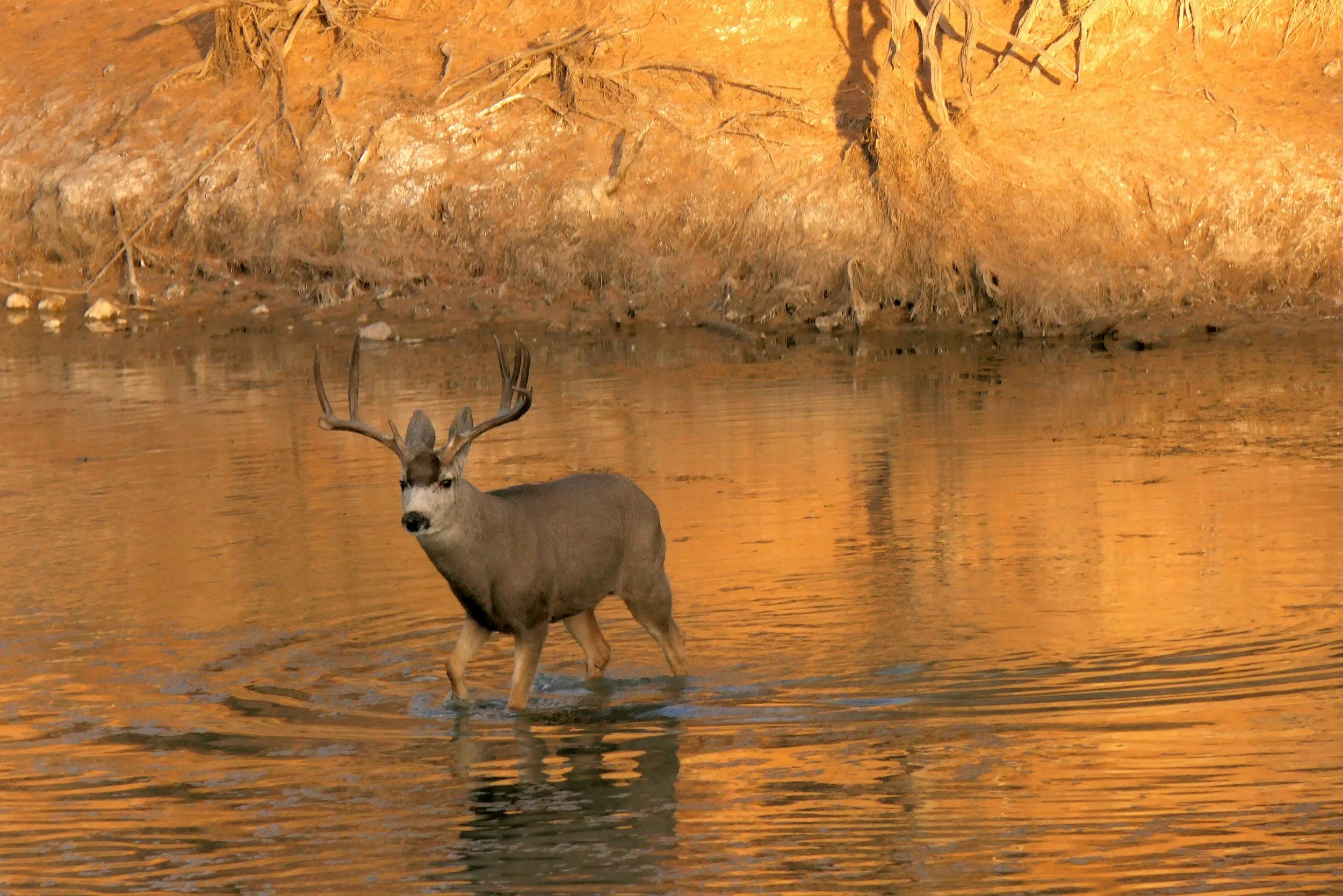
Mule Deer
Mule Deer are a bit more difficult to adapt your land management to.
The leading problem for Mule Deer habitat is ‘pressure-pressure-pressure’. Mostly from Mountain Lions. So how do you give them protection from the cats? Working to maintain the Mountain Lion population on your property is crucial, but not always the easiest. Another way to provide protection for the Mule deer, is making sure that they can see the predators coming.
If you have hunted Mule deer, you know they like areas to be more open than Whitetail. Conifer Encroachment has been chewing up Mule Deer habitat in other states and The Mule Deer Foundation has been sponsoring many land clearing projects in Utah, Wyoming, Nebraska and other states to restore their natural habitat.
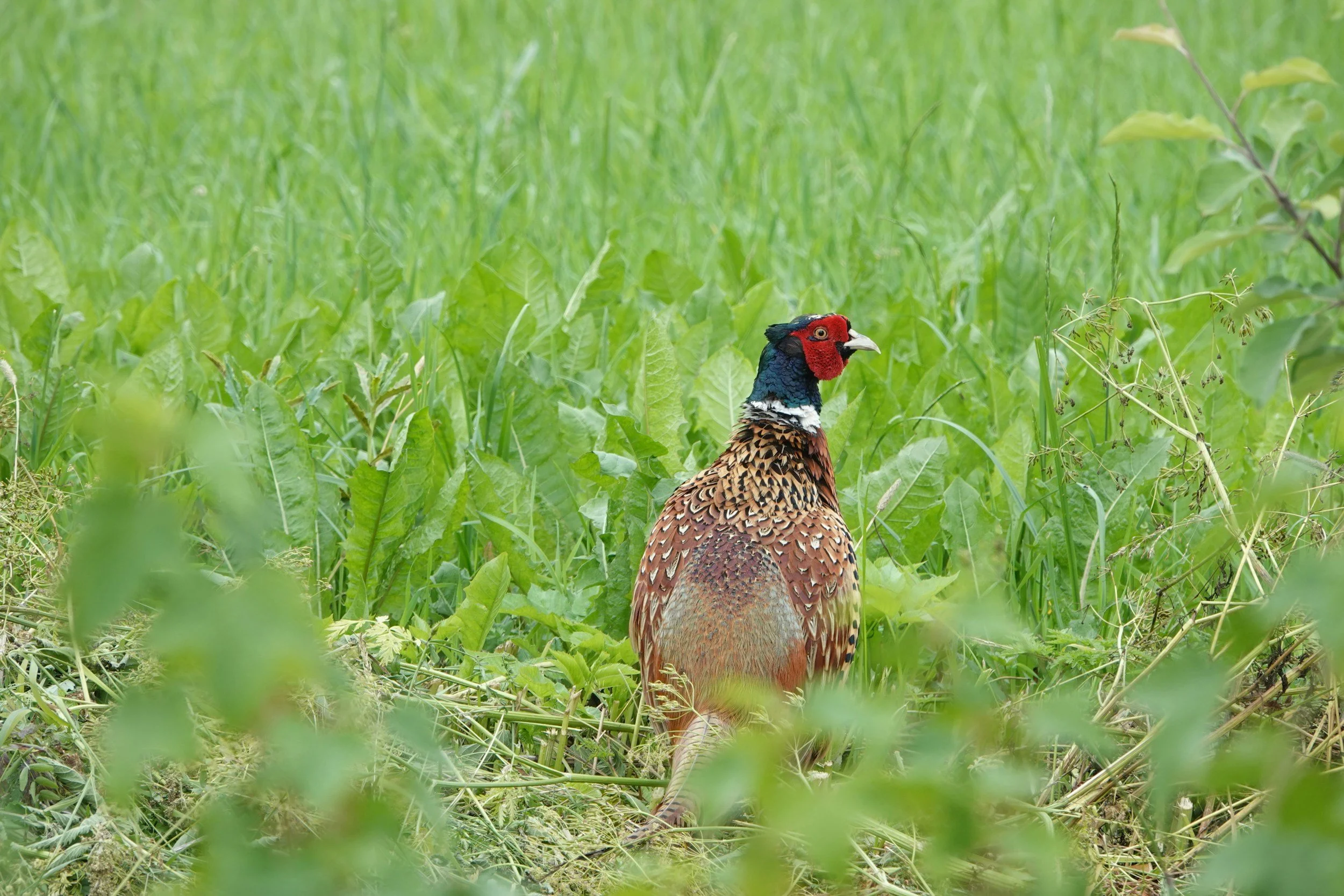
Upland Birds
Upland birds need cover and safety. Cover can be as simple as tall grass and sagebrush. But this is only effective as long as there is not an abundance of tall trees around.
It is a massive issue for upland birds because of the predatory birds ability to sit up high in the encroaching trees and hunt their prey.
Conifer Encroachment also negatively impacts our native grasses, causing them to recede, which is home and nutrition that many bugs prefer over pine needles, reducing food for the birds.

If you think you may have a habitat problem on your property, give us a call to set up an assessment.